Case Study: New York Life Group Benefit Solutions Transformed Medical Data into Insights with Medhub


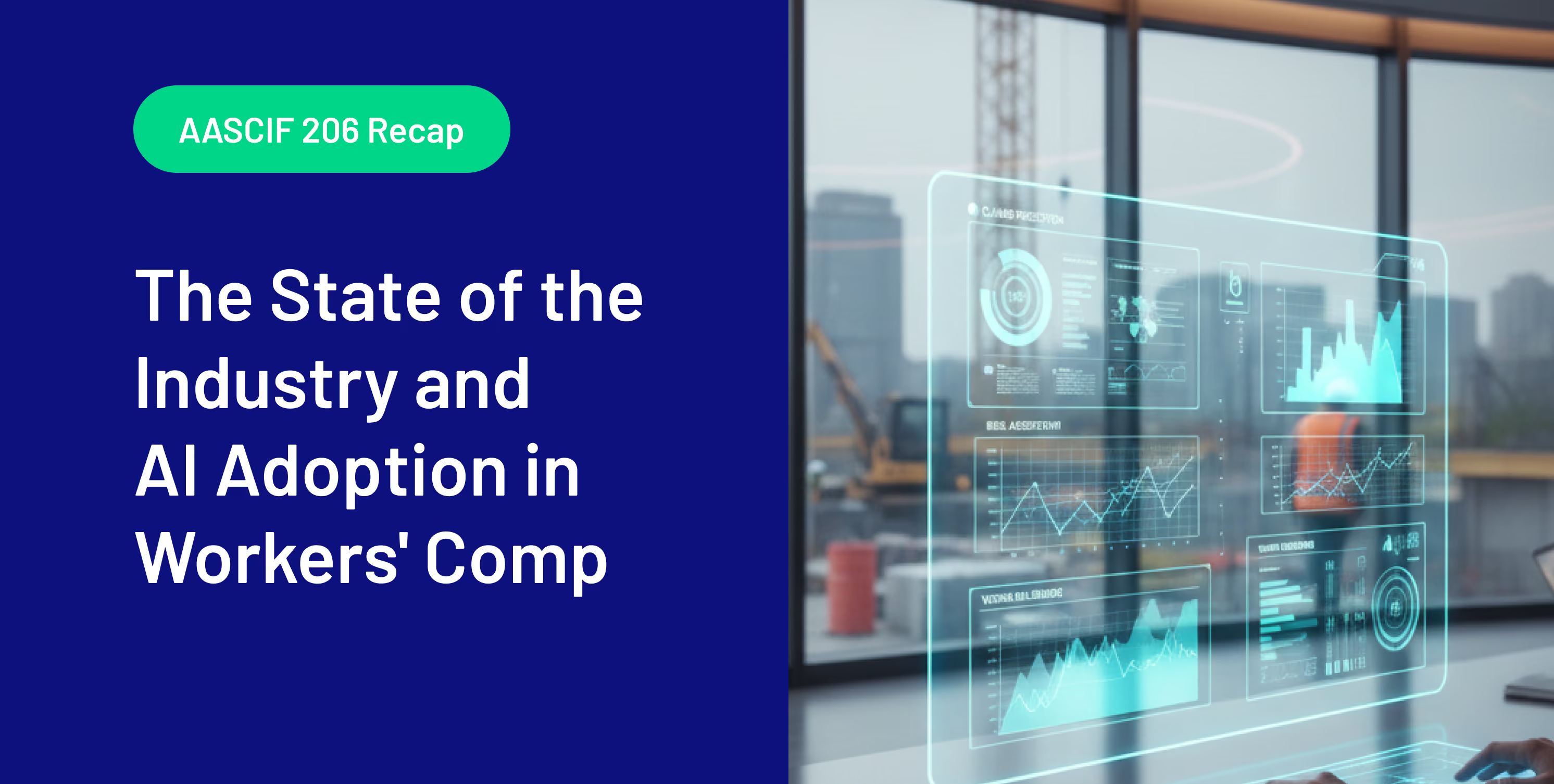
AASCIF 2026 Recap: The State of the Industry and AI Adoption in Workers' Comp

Last month, the EvolutionIQ team joined claims leaders, executives, and operations teams from state funds across the country at the 2026 AASCIF Annual Conference. The energy was different this year. The question wasn’t "should we look at AI?", but rather "how do we deploy it well?" and "what does change management actually look like?" Here are our key takeaways.
Speaking with MEM: A Real-World AI Deployment Story
EvolutionIQ co-presented with Missouri Employers Mutual (MEM) in a session around Driving AI Adoption and Deployment Excellence in Claims. The session featured Mark Phillips, AVP of Claims at MEM, and Rooney Gleason, EvolutionIQ's Chief Insurance Officer. The two took an honest look at the full lifecycle of MEM’s AI deployment: what worked, what created friction, and how MEM's team earned buy-in across the organization.
Adoption starts with the data: One of the biggest themes was the importance of getting the data foundation right before anything else. MEM's data organization was involved from Day 1, working alongside EvolutionIQ to map and blend siloed data sets across systems. The real unlock was mapping the claims processes in place that produce the relationship between unstructured data and adjuster notes.
Change management is the hardest part: MEM's approach to change management was deliberate and phased. Before go-live, the team ran calibration sessions. By giving adjusters a seat at the table early, MEM moved past skepticism and into genuine collaboration with their team.
Real process transformation: The session Q&A ramped up when MEM and EvolutionIQ started discussing how real transformation is starting to occur as MEM managers are considering replacing traditional calendar based diary reviews in favor of EIQ’s AI driven triggers. This has shown promising signs of freeing up time to spend on more complex claims requiring critical human judgement
State of the Industry: What We're Hearing from State Funds
Beyond our session, the broader conference painted a clear picture of where state funds stand heading into the second half of 2026.
Rate pressure is real and persistent: Conversations returned to the same theme: the rate environment is tightening. Medical inflation continues to drive loss costs higher, reserve adequacy is starting to turn, and many state funds are navigating a landscape where rate increases aren't keeping pace with underlying trends. For organizations operating with a mandate to serve their state's employers, this pressure intensifies the need for operational efficiency. Every dollar saved on the claims handling side matters more than ever.
AI adoption has crossed the threshold: The shift from a year or two ago was evident. AI is no longer a future-state conversation at AASCIF, it's a current-state one. The questions have matured: leaders are asking how to measure ROI, " The MEM session resonated precisely because it answered the questions that are now top of mind: what does the partnership model look like, how do you bring adjusters along, and what does real process change look like on the other side?
AI in Claims: Efficiency and the Desk-Level Reality
Efficiency is no longer optional: State funds are being asked to do more with the same (or fewer) resources. Claims volume, medical complexity, and regulatory requirements continue to grow, while headcount remains flat.
Desk-level turnover is reshaping the workforce: Nearly every claims leader we spoke with raised the same concern - experienced adjusters are retiring or leaving, and replacing that institutional knowledge is incredibly difficult. New adjusters take years to develop the pattern recognition and judgment that veterans carry. This is exactly where claims intelligence becomes transformative, not by replacing adjuster expertise, but by embedding the kind of insight and prioritization that used to take a decade to develop. When AI can surface a critical data point from a buried medical record or flag a claim trajectory that warrants early intervention, it compresses the learning curve and gives less experienced adjusters the tools to perform at a higher level from day one.
AASCIF 2026 made one thing clear: the state fund community is ready for AI. The organizations that are moving fastest aren't just buying technology. They're investing in the data engineering, change management, and process transformation that make AI actually work in claims. We're proud to have shared MEM's story at this year's conference, and we're excited to continue partnering with state funds as they navigate this transition.
Related posts

.avif)

AI powered Claims Guidance.